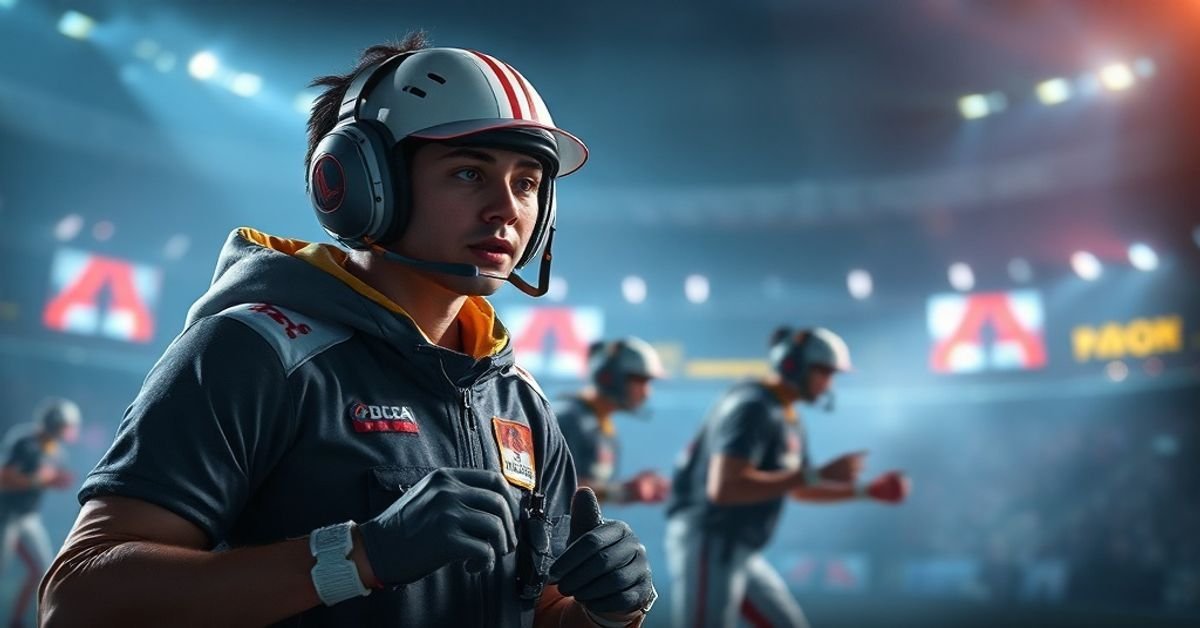
Most guides on esports media assume that simply covering match results and player stats is enough. That’s where they get it wrong. The rise of esports news dualmedia signals a shift toward integrated storytelling—combining video, live commentary, data visualization, and real-time audience interaction in ways traditional gaming journalism hasn’t adapted to. While many outlets still treat esports as a niche subculture, esports news dualmedia platforms are redefining what immersive coverage looks like, blending broadcast production with journalistic rigor.
The Problem with Traditional Esports Reporting
Legacy gaming news sites often recycle press releases, highlight wins and losses, and treat esports like a secondary beat. This outdated approach fails to engage younger, digitally native audiences who consume content across platforms and expect dynamic formats. esports news dualmedia challenges this model by treating each story as a multimedia experience—think live-tweeted analysis during tournaments, interactive brackets, and behind-the-scenes documentary clips. For example, during the 2023 League of Legends World Championship, leading dualmedia platforms embedded real-time stats overlays and post-match breakdowns within their video streams, offering context that static articles can’t match. This isn’t just about volume; it’s about depth and delivery. Readers don’t want summaries—they want to feel like they’re in the arena.
How esports news dualmedia Is Changing the Game
esports news dualmedia platforms are pioneering a hybrid model: part newsroom, part production studio. They leverage tools like AI-driven highlight reels, multilingual live commentary, and fan-driven polls to create content that’s both informative and interactive. Take the coverage of the Valorant Champions Tour—top dualmedia outlets didn’t just report scores; they hosted pre-show panels with analysts, streamed co-streamer reactions, and published post-game deep dives with heatmap analytics. This layered approach caters to both casual viewers and hardcore fans. Additionally, these platforms often integrate community feedback loops, allowing fans to vote on story angles or suggest interview questions. It’s journalism, but with a participatory twist. Unlike traditional outlets that operate in silos, esports news dualmedia thrives on cross-platform synergy, ensuring stories reach audiences wherever they are—Twitch, YouTube, or mobile apps.
- Real-time data integration during live broadcasts
- Fan-voted story topics and interview subjects
- Multilingual commentary for global audiences
- Interactive post-match analysis tools
The Role of Technology in Modern Coverage
Behind every successful esports news dualmedia operation is a tech stack designed for speed and scalability. Cloud-based editing tools allow teams to produce highlight packages in under 15 minutes. AI transcription services enable instant subtitling for international audiences. And APIs from game developers feed live match data directly into broadcast graphics. For instance, during the Free Fire World Series, dualmedia teams used in-game telemetry to generate custom visualizations showing player movement and engagement zones—something no text article could replicate. These innovations aren’t just flashy; they make complex gameplay accessible. Moreover, platforms are experimenting with augmented reality (AR) overlays during live streams, letting viewers visualize strategies in 3D space. This technological edge is what separates forward-thinking outlets from those still relying on decade-old workflows. As esports grows, so does the demand for smarter, faster, and more immersive storytelling.
- Adopt cloud-based production tools for rapid turnaround
- Integrate live game data via official APIs
- Use AI for real-time translation and transcription
- Experiment with AR and interactive graphics
For deeper insights into digital media trends shaping competitive gaming, explore our analysis on emerging formats in digital journalism. You can also review how major outlets are adapting by visiting Britannica’s overview of modern journalism.
What the Future Holds
The trajectory is clear: esports coverage will continue to merge journalism with entertainment, and esports news dualmedia is leading the charge. As 5G and low-latency streaming become standard, expect even more immersive experiences—think VR press rooms or holographic player interviews. The challenge for traditional outlets isn’t just keeping up; it’s reimagining their entire content philosophy. Success will belong to those who treat esports not as a game, but as a global cultural phenomenon worthy of sophisticated, multi-sensory storytelling.