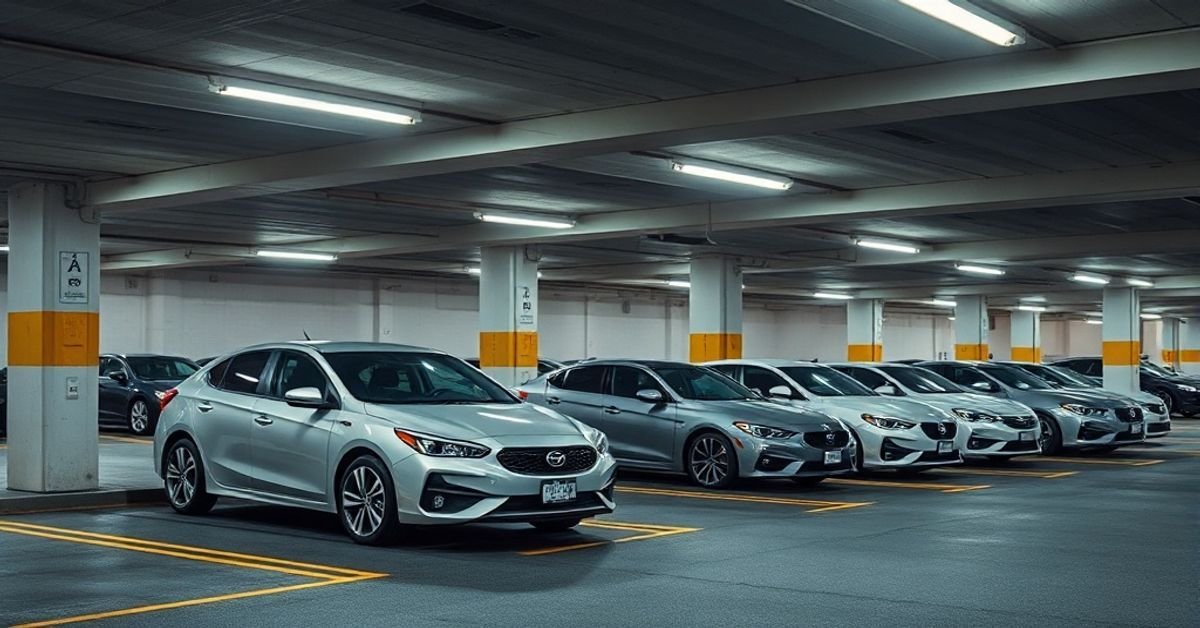
Did you know that drivers spend an average of 17 hours per year searching for parking in major cities? What if there was a smarter, faster way to secure a spot—without circling blocks or stressing over meters? That’s where vrr parking comes in. This innovative system is transforming how urban commuters and delivery drivers navigate tight spaces and high-demand zones. Unlike traditional parking apps, vrr parking uses real-time data and dynamic routing to guide users to available spots with precision. Whether you’re navigating a busy downtown or a crowded event venue, understanding vrr parking can save you time, fuel, and frustration.
What Is vrr parking and How Does It Work?
vrr parking is an intelligent parking management solution designed to streamline the search for available parking spaces in real time. Unlike static parking maps or outdated signage, vrr parking leverages IoT sensors, GPS tracking, and cloud-based analytics to monitor occupancy across parking zones. When a vehicle leaves a spot, the system instantly updates availability, allowing drivers to receive live directions via a mobile app or in-car navigation. This reduces congestion, lowers emissions from idling vehicles, and improves overall traffic flow. Originally developed for high-density urban areas, vrr parking is now being adopted in shopping districts, hospitals, and university campuses. For more insights on smart city innovations, check out our guide to smart city solutions.
Top Benefits of Using vrr parking
The advantages of vrr parking go far beyond convenience. Here are the key benefits that make it a game-changer for modern drivers:
- Time Savings: Cut down search time by up to 50% with real-time guidance to open spots.
- Reduced Emissions: Less circling means lower CO₂ output—better for the environment.
- Stress Reduction: Eliminate the anxiety of finding parking during peak hours.
- Cost Efficiency: Avoid overpaying for premium spots by finding affordable, nearby options.
- Improved Traffic Flow: Fewer cars searching for parking leads to smoother city traffic.
These benefits are especially valuable in cities like London, where parking scarcity is a daily challenge. According to UK government road statistics, over 30% of urban traffic is caused by drivers looking for parking. vrr parking directly addresses this issue.
How to Get Started with vrr parking Today
Getting started with vrr parking is simple and requires just a few steps. First, download the official vrr parking app from your device’s app store—available on both iOS and Android. Once installed, create a free account and enable location services so the app can detect nearby parking zones. Next, input your destination and let the system suggest the nearest available spots. The app will provide turn-by-turn navigation, estimated arrival time, and pricing details. Some versions even allow pre-booking during peak events. For frequent users, linking a payment method streamlines the checkout process. If you’re new to digital parking tools, visit our beginner’s guide to digital parking tools for step-by-step tutorials.
Common Challenges and How to Overcome Them
While vrr parking offers many advantages, users may face a few hurdles. One common issue is signal loss in underground or multi-story car parks, which can delay updates. To avoid this, ensure your phone has strong cellular or Wi-Fi connectivity before entering. Another challenge is user adoption—some drivers still rely on memory or word-of-mouth. Overcoming this requires public awareness campaigns and incentives like discounted first-time use. Additionally, not all cities have full vrr parking coverage yet. Check the app’s coverage map before relying on it for critical trips. Finally, always have a backup plan, such as knowing nearby public transport options or alternative parking zones. With these strategies, you can maximize the reliability of vrr parking in any urban environment.