Most guides oversimplify hss gamepad connectivity as a matter of pairing and signal strength. They assume all wireless gamepads perform equally once connected, but that’s far from reality. The truth? hss gamepad connectivity involves a complex interplay of protocol efficiency, hardware compatibility, and real-world latency—factors that most tutorials ignore. If you’ve ever experienced input lag during a critical boss fight or inconsistent button responses, you’ve felt the consequences of poor connectivity design.
What Makes HSS Gamepad Connectivity Different?
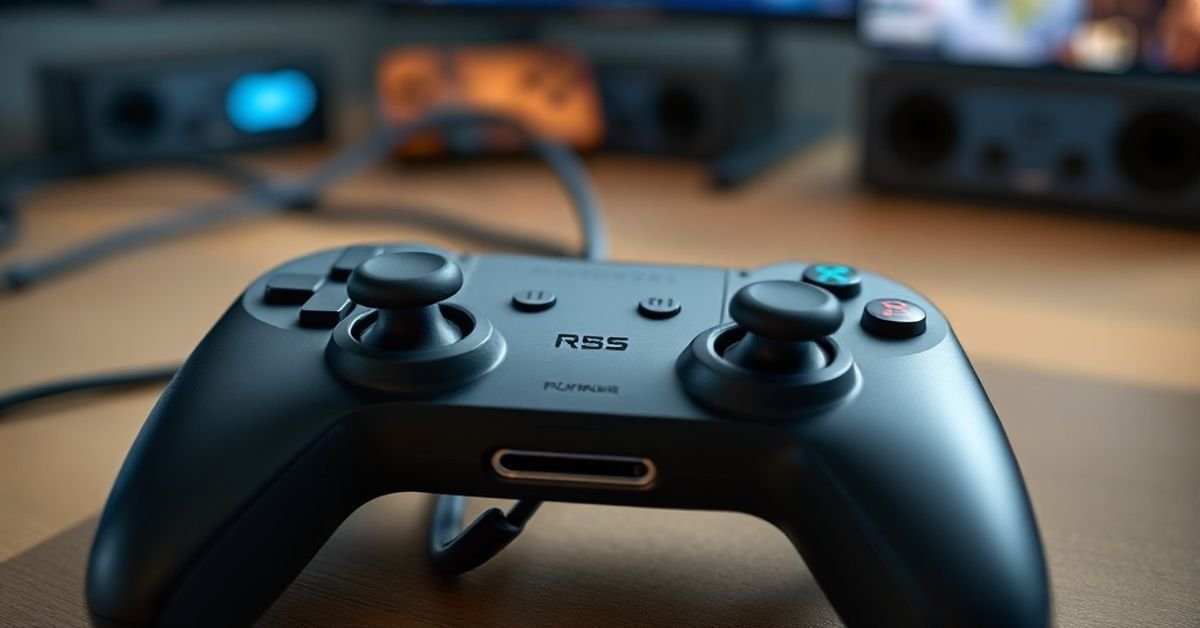
hss gamepad connectivity refers to a specific class of high-speed, low-latency input systems designed for competitive gaming. Unlike standard Bluetooth controllers, HSS (High-Speed Synchronous) protocols prioritize timing precision over bandwidth. This means your button presses register faster, often with sub-10ms response times. The technology is commonly found in premium mobile and PC gamepads, where split-second decisions define victory. While Bluetooth 5.0 improved general wireless performance, it wasn’t built for the microsecond demands of esports. HSS fills that gap by using optimized radio frequencies and proprietary handshake protocols. For example, some HSS-enabled pads bypass standard Bluetooth stacks entirely, communicating directly with a USB dongle using 2.4GHz RF signals. This reduces interference and boosts reliability—especially in crowded wireless environments like LAN parties or esports arenas. Understanding this distinction is crucial for anyone serious about responsive gameplay.
Wired vs. Wireless: The Real Trade-Offs
The debate between wired and wireless isn’t about convenience—it’s about control. With hss gamepad connectivity, wired modes aren’t just backups; they’re performance enhancers. Many HSS gamepads allow you to switch to USB-C for zero-latency input during tournaments. This hybrid approach gives players the best of both worlds: freedom during casual play and precision when it counts. Wireless HSS still outperforms generic Bluetooth, but wired remains the gold standard for competitive integrity. Consider latency benchmarks: a typical Bluetooth gamepad averages 30–50ms delay, while HSS wireless clocks in at 8–12ms. Wired HSS dips below 5ms. That difference might seem small, but in fast-paced shooters or fighting games, it’s the margin between a perfect parry and a missed combo. For deeper insights into input lag reduction, check out our guide on gaming performance optimization.
Compatibility and Device Support
Not all devices handle hss gamepad connectivity equally. While most modern smartphones and PCs support HSS via USB adapters, some platforms impose limitations. iOS devices, for instance, restrict third-party controller protocols unless the gamepad is MFi-certified. Android offers more flexibility, but fragmentation across manufacturers can lead to inconsistent behavior. On PC, driver support varies—some HSS pads require proprietary software to unlock full functionality. Always verify compatibility before purchasing. Look for explicit mentions of HSS, 2.4GHz wireless, or low-latency mode in product specs. For authoritative technical details on wireless protocols, refer to Microsoft’s official support page on device connectivity.
How to Optimize Your Setup
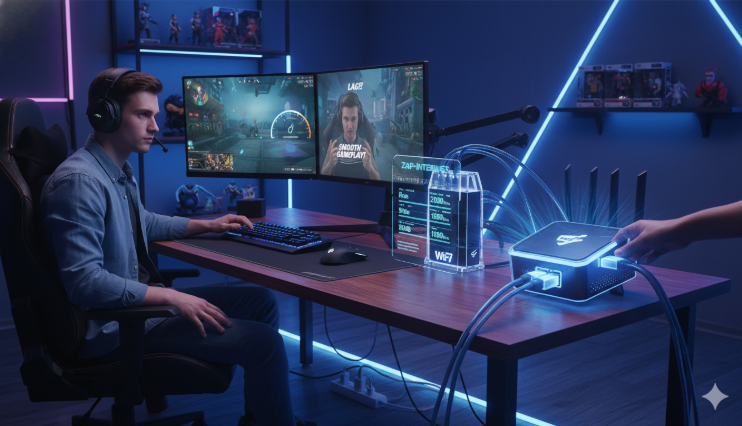
Maximizing hss gamepad connectivity requires more than just plugging in. Start by minimizing interference: keep your gamepad and receiver away from Wi-Fi routers, microwaves, and other 2.4GHz sources. Update firmware regularly—manufacturers often release latency improvements. Use the controller in open spaces when possible, and avoid thick walls or metal obstructions. If using wireless, ensure the battery is above 50%; low power can throttle transmission strength. Finally, test your setup with latency-checking tools or in-game input meters. Small tweaks can yield noticeable gains. For troubleshooting persistent issues, visit our gaming accessory support hub.
- Use USB-C mode for tournaments
- Update firmware monthly
- Avoid crowded wireless environments
- Check device compatibility lists
- Pair the gamepad in HSS mode first
- Install required drivers or apps
- Test latency in a controlled game session
- Adjust settings based on performance feedback