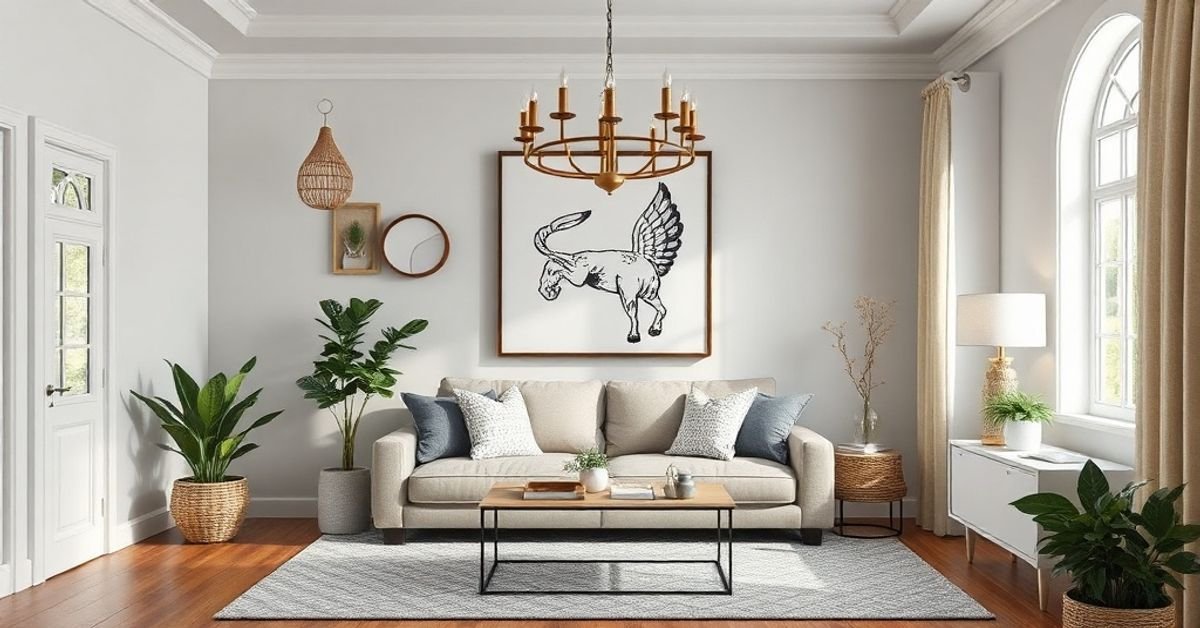
Most interior design guides promise quick fixes with expensive furniture or bold statements that rarely last. They overlook the quiet power of subtle, intentional choices—especially when it comes to interior decoration tips mintpaldecor. These aren’t about trends; they’re about creating harmony through texture, light, and thoughtful placement. If you’ve ever felt overwhelmed by conflicting advice, you’re not alone. The real secret lies in understanding how small changes compound into dramatic results—something interior decoration tips mintpaldecor truly emphasizes.
Why Most Interior Advice Misses the Mark
Too many guides focus on aesthetics without function, pushing maximalism or minimalism as one-size-fits-all solutions. But interior decoration tips mintpaldecor prioritize balance. For example, a room with perfect symmetry might look clean but feel sterile. Instead, consider asymmetry with purpose—like pairing a large artwork with two smaller side tables. Lighting is another overlooked element. Harsh overhead lights kill ambiance; layer ambient, task, and accent lighting for depth. And don’t ignore acoustics—soft textiles like rugs and curtains reduce echo, making spaces feel cozier. These nuanced adjustments, central to interior decoration tips mintpaldecor, create environments that feel lived-in, not staged. Real transformation happens when design serves daily life, not just Instagram aesthetics.
Mastering Color and Texture
Color sets the emotional tone of a room, but it’s not just about paint. interior decoration tips mintpaldecor teach you to think in layers: walls, fabrics, finishes, and even plants contribute to the palette. Start with a neutral base—think warm whites or soft greys—then add personality through textiles. A velvet throw in burnt orange or a jute rug adds texture without overwhelming. For small spaces, use vertical color blocking: paint the lower half of walls in a darker shade to ground the room, leaving the top lighter to maintain airiness. Avoid matching everything; contrast creates visual interest. For instance, pair matte black fixtures with glossy white tiles. And remember, natural materials like wood and stone age beautifully, adding character over time. These tactile choices make spaces feel inviting and authentic.
- Use warm neutrals as a foundation for flexibility
- Layer textures: combine smooth, rough, and soft surfaces
- Introduce color through accessories, not just walls
- Balance cool and warm tones to avoid monotony
Smart Layouts for Any Space
Furniture arrangement is where most people go wrong. They center everything around the TV or push pieces against walls, creating dead zones. interior decoration tips mintpaldecor advocate for floating furniture to define zones and encourage flow. In a studio apartment, use a bookshelf as a room divider instead of a wall. Angle a sofa toward a window to capture natural light and views. For narrow rooms, choose slim-profile furniture and mirrors to reflect space. Don’t forget negative space—it’s not empty, it’s essential. A single chair in a corner with a floor lamp creates a reading nook without clutter. Measure twice, move once: use painter’s tape to outline furniture on the floor before committing. These spatial strategies make rooms feel larger and more functional, regardless of square footage.
- Float seating away from walls to improve circulation
- Use rugs to anchor conversation areas
- Create focal points beyond the television
- Incorporate vertical storage to free up floor space
Budget-Friendly Upgrades That Make a Difference
You don’t need a renovation budget to refresh your space. Start with lighting: swap outdated fixtures for modern pendants or sconces—even plug-in versions work. Update cabinet hardware in kitchens and bathrooms; new knobs and pulls cost under $50 but look premium. Paint is the most cost-effective change: a bold accent wall or fresh trim can redefine a room. Thrift stores and flea markets offer unique pieces; reupholster a vintage chair or repaint a side table. DIY art using fabric swatches or framed maps adds personality. And don’t underestimate greenery—a few well-placed plants improve air quality and mood. For more inspiration on affordable styling, visit budget home decor ideas.
According to National Geographic, integrating natural elements into interiors reduces stress and boosts well-being—proof that small design choices have big impacts. For ongoing guidance, explore current interior trends that align with mindful living.