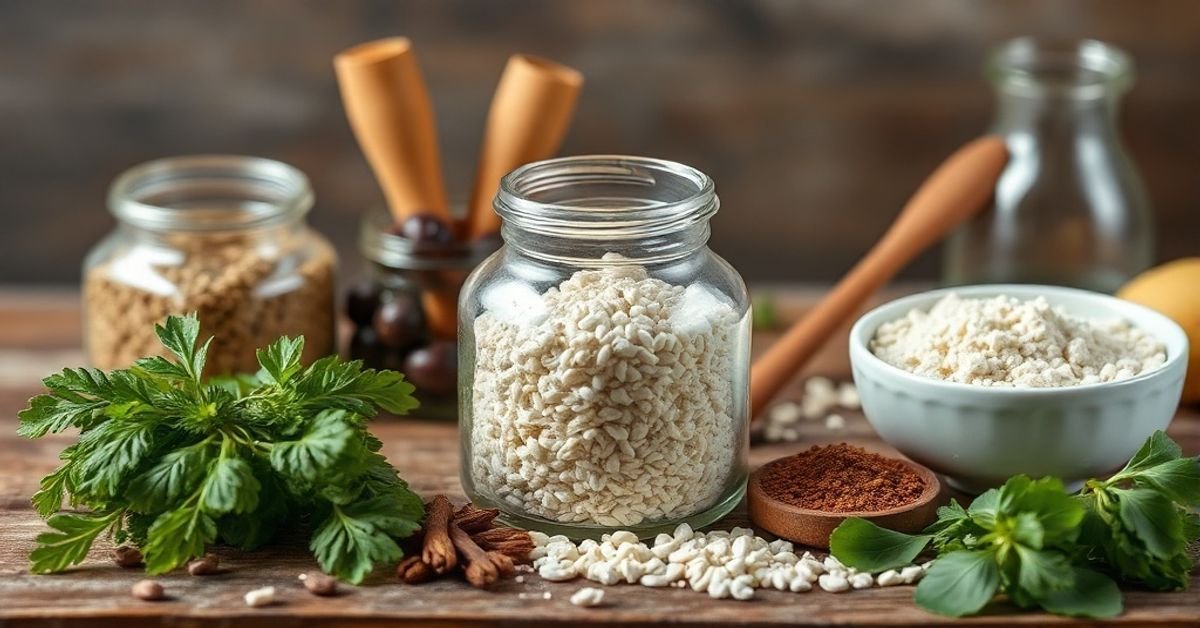
Have you ever stared at a supplement label and wondered what half the ingredients actually do? You’re not alone. With so many products making bold claims, it’s hard to know what’s science and what’s marketing. That’s especially true when you come across something like qoghundos ingredients—a term that doesn’t appear on mainstream nutrition sites or in medical journals. So what’s the real story behind qoghundos ingredients? Are they a breakthrough or just another wellness buzzword?
What Are qoghundos ingredients?
The term qoghundos ingredients isn’t recognized in scientific literature or major health databases. It doesn’t appear on the NIH website, nor is it listed in the FDA’s database of approved dietary ingredients. This raises immediate red flags. While the name sounds exotic—perhaps hinting at a rare botanical or traditional remedy—there’s no verifiable source confirming its origin or composition. Some online forums suggest it may be a misspelling or a fabricated term used in niche supplement circles. Without peer-reviewed research or transparent sourcing, any claims about qoghundos ingredients remain speculative. For consumers, this means approaching such products with caution. Always verify ingredient lists against trusted databases like the NIH Office of Dietary Supplements before making a purchase.
Common Ingredients Often Linked to qoghundos
Despite the mystery surrounding qoghundos ingredients, some supplement brands use the term alongside familiar compounds. These may include adaptogens like ashwagandha, rhodiola, or maca root—ingredients known for supporting stress response and energy levels. Others list amino acids such as L-theanine or taurine, often included for cognitive or cardiovascular benefits. While these ingredients have some scientific backing, their inclusion under the banner of “qoghundos” doesn’t add credibility. In fact, it may be a tactic to appear innovative. Here are a few ingredients commonly associated with such blends:
- Ashwagandha root extract (studied for stress reduction)
- Rhodiola rosea (linked to improved mental performance)
- Maca powder (traditionally used for hormonal balance)
- L-theanine (promotes relaxation without drowsiness)
These ingredients can be beneficial when properly dosed and sourced. But without clear labeling or third-party testing, their presence in a “qoghundos” formula doesn’t guarantee quality or efficacy.
Should You Trust Products Featuring qoghundos ingredients?
Transparency is key in the supplement industry. Reputable brands disclose full ingredient lists, dosages, and sourcing information. If a product highlights qoghundos ingredients without defining them or providing references, it’s a major warning sign. Regulatory bodies like the FDA don’t pre-approve dietary supplements, so consumers must do their due diligence. Look for certifications from independent labs like NSF or USP, which verify purity and potency. Avoid products that rely on vague terms or pseudoscientific language. For deeper insights into evaluating supplement claims, visit Supplement Facts vs. Fiction on WordCurrent.
Alternatives to Consider
If you’re seeking natural ways to support energy, focus, or overall wellness, consider evidence-backed alternatives. Instead of chasing mysterious blends like qoghundos ingredients, opt for well-researched supplements with clear benefits. For example, omega-3 fatty acids from fish oil support brain health, while vitamin D3 is essential for immune function. Magnesium glycinate can improve sleep quality, and probiotics promote gut balance. These options have decades of research behind them and are widely available from trusted manufacturers. Always consult a healthcare provider before starting any new supplement, especially if you have underlying health conditions.
Final Thoughts
The allure of unique or exotic ingredients is understandable—especially in a market flooded with similar products. But novelty doesn’t equal effectiveness. Until qoghundos ingredients are properly defined, studied, and regulated, they remain more myth than medicine. Stick to science-backed choices, read labels carefully, and prioritize your health over hype. For more guidance on navigating the supplement landscape, explore How to Choose Safe Supplements on WordCurrent. Your body deserves transparency, not mystery.